Local SEO in 2026: 7 Steps to Rank and Convert
Local SEO is how small and mid-sized businesses get found by the customers standing closest to them. In 2026, a strong local presence in search and maps often matters more than a national ranking, because a nearby searcher is usually ready to buy, book, or visit. This guide walks through seven practical steps to improve your local SEO and turn map views into real revenue.
From tuition centres to repair shops and equipment suppliers, the playbook is similar: be accurate, be useful, and be everywhere your customer looks.
What is local SEO and why does it matter?
Local SEO is the practice of optimising your online presence so you appear for searches tied to a specific place, such as “near me” queries or city-based terms. These searches carry strong intent. Someone typing “best laptop repair near me” rarely wants to read theory; they want an open shop with good reviews, now.
Google’s local algorithm weighs three broad factors: relevance, distance, and prominence. You control relevance and prominence through consistent information, reviews, and quality content. Getting these right pushes you into the coveted local map pack.
Step 1: Perfect your Google Business Profile
Your Business Profile is the single highest-impact asset in local search. Fill every field: categories, hours, services, photos, and a keyword-rich description. Keep it current, because outdated hours frustrate customers and erode trust.
- Choose the most specific primary category available.
- Add real photos monthly to signal an active business.
- Use the Q&A section to pre-answer common questions.
- Post offers and updates to stay visible.
Step 2: Build consistent citations
A citation is any mention of your business name, address, and phone number online. Inconsistent details across directories confuse search engines and split your authority. Audit your listings and fix mismatches so every source agrees exactly.
Businesses that lack time for this often hire a best SEO expert in Pakistan to run the cleanup and ongoing monitoring, which prevents slow ranking leaks from bad data.
Step 3: Earn and manage reviews
Reviews influence both rankings and conversions. Ask every satisfied customer, make it easy with a direct link, and respond to all feedback, positive or negative. A thoughtful reply to criticism often impresses future customers more than a flawless record.
How many reviews do you really need?
There is no magic number, but businesses in the local pack typically carry more reviews and higher averages than those below. Aim for a steady stream rather than a sudden burst, which can look manipulated.
Step 4: Create location-relevant content
Publish pages and posts that speak to your community: local event roundups, area guides, and answers to neighbourhood-specific questions. This content captures long-tail searches and shows genuine local expertise.
For service businesses that depend on human trust, linking to reliable local experts within your content helps readers while reinforcing your topical relevance to the area you serve.
Step 5: Measure everything with analytics
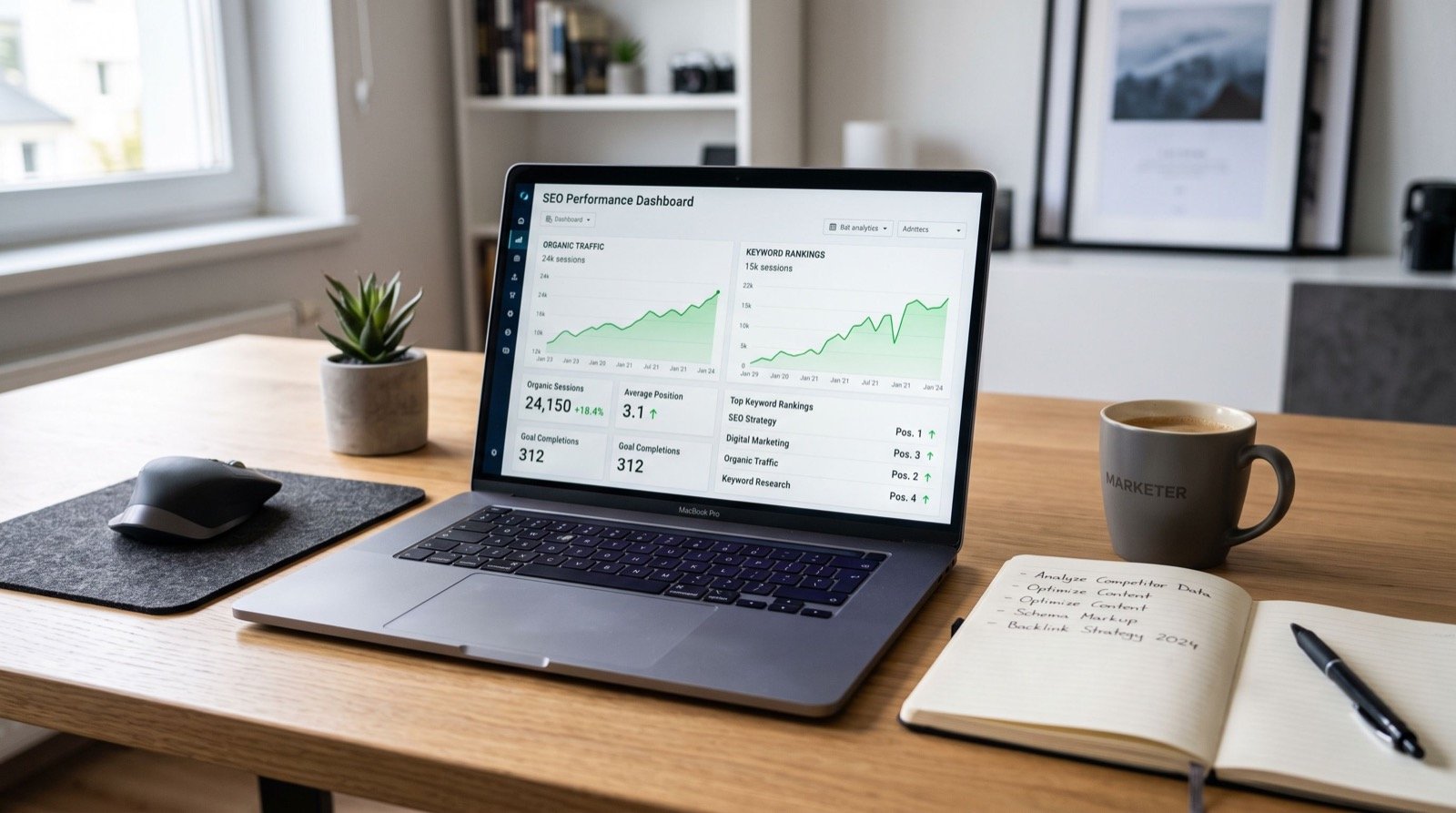
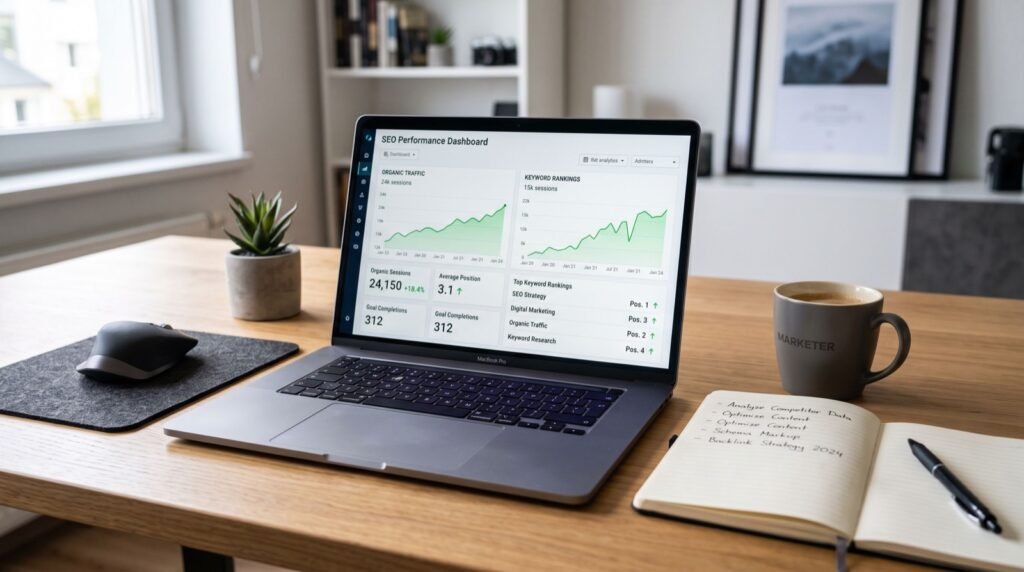
You cannot improve what you do not measure. Connect your site to analytics and Search Console so you can see which local queries bring traffic and which pages convert. Proper configuration is easy to get wrong, which is why many firms rely on professional Google Analytics setup in Islamabad to track leads accurately from day one.
| Metric | What it tells you | Target |
|---|---|---|
| Local pack impressions | How often you appear in maps | Steady monthly growth |
| Direction requests | In-person visit intent | Rising trend |
| Phone calls from profile | Direct lead volume | Tie to revenue |
| Form conversion rate | Website persuasion | Above 3 percent |
Step 6: Optimise for mobile and speed
Most local searches happen on phones. A slow or clumsy mobile site loses customers before they ever call. Compress images, simplify navigation, and keep your tap-to-call button obvious. Google’s guidance on fast, user-friendly pages is summarised in its Search Central SEO starter guide.
Step 7: Build local links
Links from community organisations, local news, sponsorships, and partner businesses carry strong geographic signals. Prioritise relevance over volume. One link from a respected local institution often outweighs dozens of generic directories.
- Sponsor a local event and earn a page mention.
- Offer expert quotes to area journalists.
- Partner with complementary businesses for cross-links.
- Join reputable local business associations.
Local SEO for multi-location businesses
If you operate in several areas, resist the temptation to list every city on one crowded page. Build a dedicated, genuinely unique page for each location with its own address, staff, services, and local detail. Thin or duplicated location pages are among the fastest ways to stall local rankings.
Interlink these pages sensibly so a visitor in one city can discover your nearest branch, and so search engines understand your full service footprint. A clear structure also makes it far easier to track which locations drive the most calls and conversions.
Keep each profile and page consistent in branding but distinct in substance. Customers in different neighbourhoods have different needs, and content that reflects those differences signals real local presence rather than a template stamped across a map.
Should you use the same keywords on every location page?
No. Reusing identical keywords and copy across pages forces them to compete with one another, a problem known as keyword cannibalisation. Vary your phrasing around each area’s language and landmarks so every page targets its own distinct set of local searches.
Frequently Asked Questions
How long does local SEO take to work?
Many businesses see map-pack movement within one to three months, especially after optimising their Business Profile and fixing citations. Competitive cities take longer and reward consistent effort.
Is local SEO worth it for a single-location business?
Absolutely. A single location benefits enormously because you can focus every signal on one area, making it easier to dominate nearby searches than a spread-out competitor.
Do I need a website for local SEO?
A Business Profile alone can generate calls, but a fast, content-rich website multiplies results, supports analytics tracking, and gives you full control over your message and conversions.
What hurts local rankings the most?
Inconsistent business information, fake or purchased reviews, and a neglected profile. Keeping data accurate and engagement genuine protects your position over the long term.
Conclusion
Local SEO in 2026 is won by businesses that stay accurate, gather honest reviews, publish community-focused content, and measure results with real analytics. Work through these seven steps, review your data each month, and refine what converts. Start today by auditing your Google Business Profile, then fix one weak signal every week until you own the local map pack.