Pooper Scooper Buyer’s Guide: How to Choose the Right Tool in 2026
Cleaning up after your dog should take seconds, not a wrestling match with the wrong equipment. The right pooper scooper turns a dreaded chore into a quick, hygienic routine that protects your yard, your shoes, and your family’s health. Yet the aisle of options can feel overwhelming, because a tool that glides across a smooth driveway may fail miserably on thick grass or loose gravel.
This 2026 buyer’s guide breaks down every major style, the materials that actually last, and the surface-specific factors most shoppers overlook. By the end, you will know exactly which design fits your dog, your terrain, and your tolerance for bending over. Let’s dig in.
Why the Right Pooper Scooper Matters
Dog waste is not just unsightly. According to the U.S. Environmental Protection Agency, pet waste is a recognized source of nutrient and bacterial pollution that can wash into storm drains and local waterways. Prompt, consistent cleanup keeps pathogens out of the soil where children and other pets play.
A quality pooper scooper also reduces direct contact. The Centers for Disease Control and Prevention notes that some intestinal parasites spread through infected feces, so the further your hands stay from the mess, the better. In short, the tool you choose is a small purchase with an outsized impact on hygiene and convenience.
The Main Types of Pooper Scooper
Before comparing brands, understand the three dominant designs. Each solves the pickup problem differently, and each shines on particular surfaces.
Rake-and-Tray Scoopers
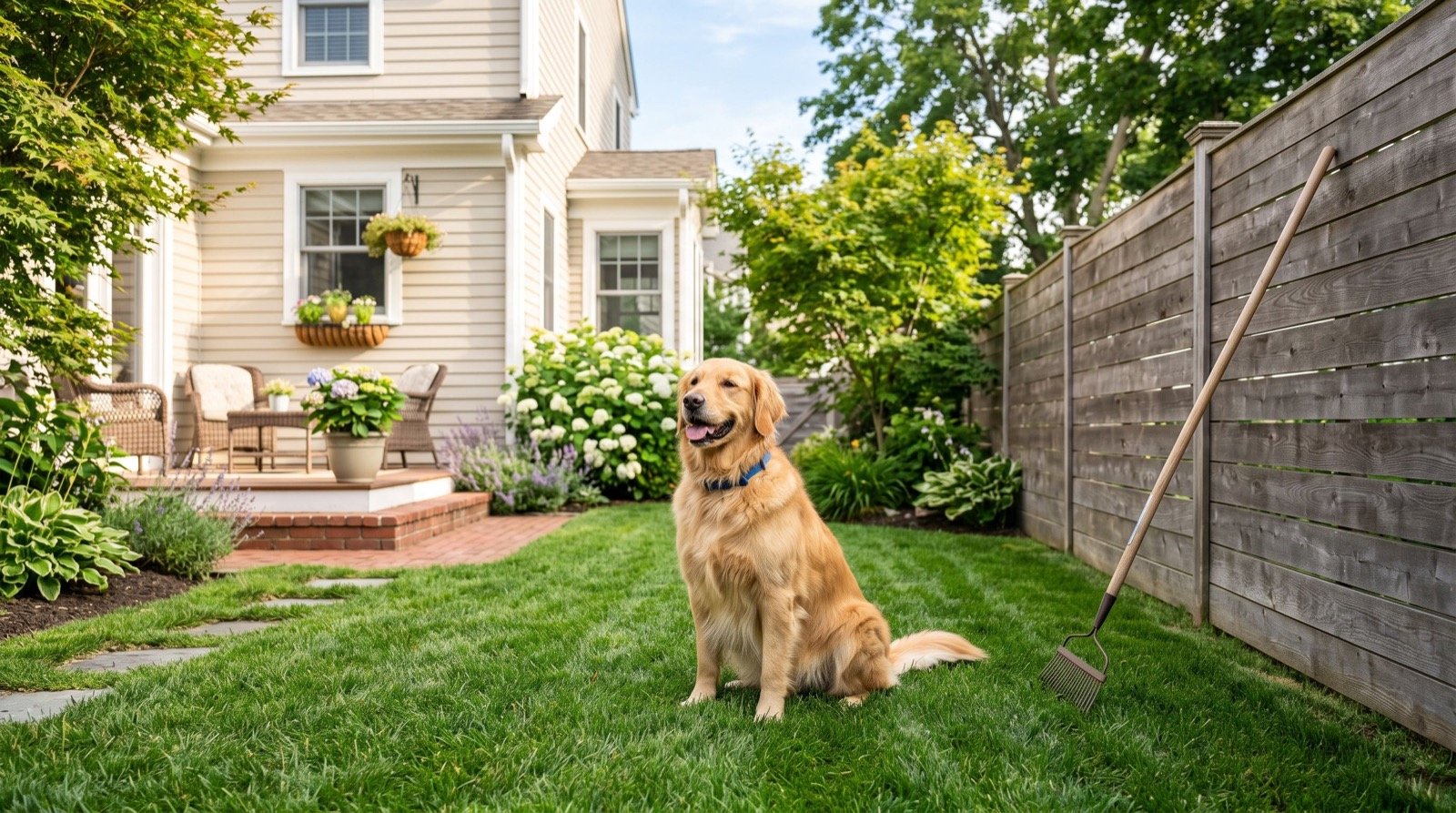
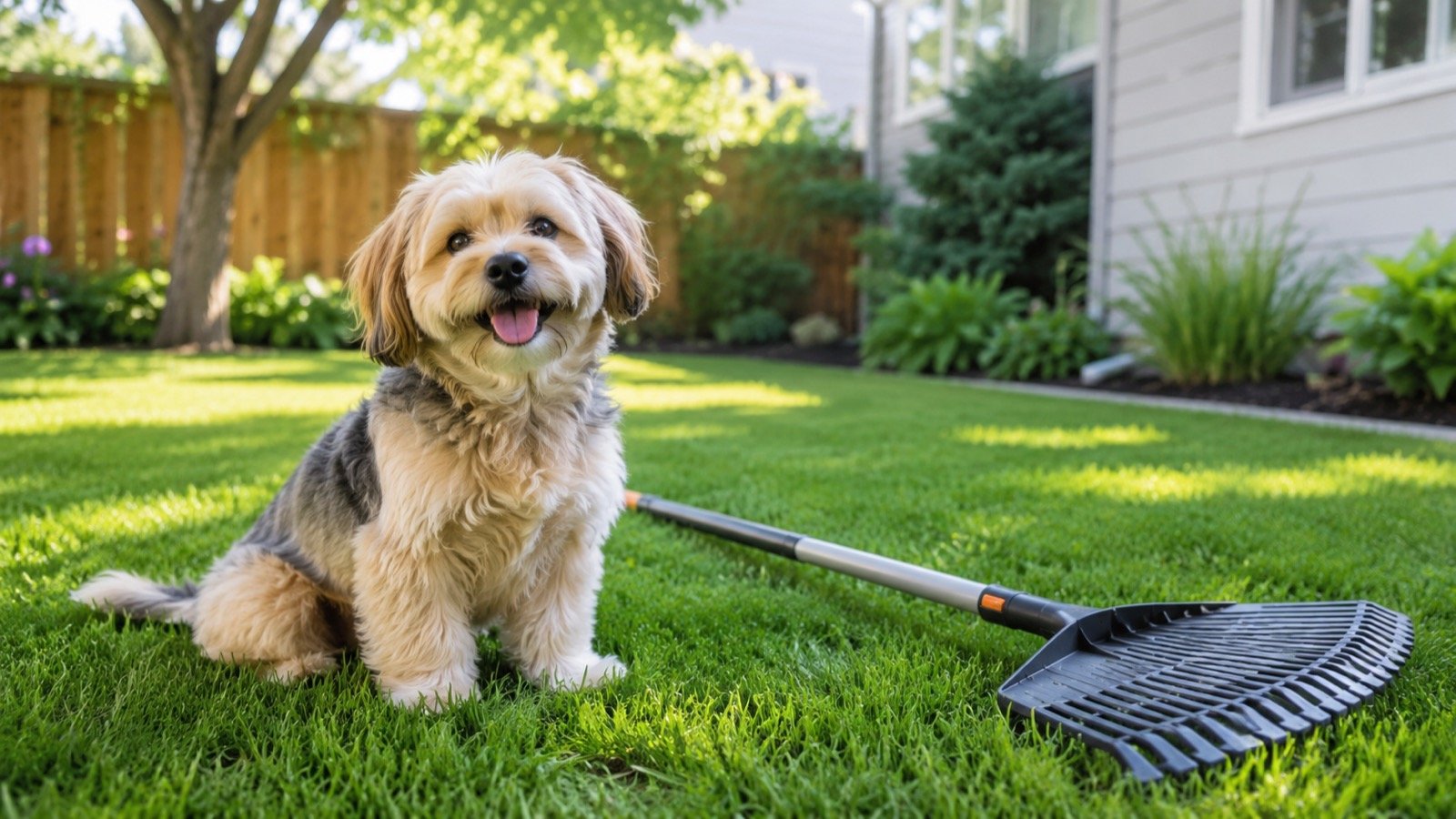
This classic two-piece set pairs a flat tray with a separate rake. You slide the tray beneath the waste while the rake sweeps everything on top. Because the rake tines drag debris forward, this style excels on grass and mulch where a single scoop would push waste around.
The trade-off is storage. You are managing two long-handled pieces instead of one, and the open tray needs rinsing after every use. Still, for large yards and multiple dogs, the rake-and-tray combo moves the most volume with the least effort.
Jaw-and-Claw Scoopers
Jaw scoopers work like a giant pair of tongs. A squeeze of the handle closes two spring-loaded claws around the waste, then a release drops it into a bag or bin. They grip firmly on hard surfaces such as concrete, patios, and driveways, and the clamshell action leaves almost nothing behind.
On soft grass, however, the claws can dig into the turf and grab clumps of dirt. Look for a model with a spring return so the jaws reset without manual fiddling. A durable jaw scooper is often the most intuitive choice for first-time buyers.
Scoop-and-Bag Systems
The newest category integrates the bag directly into the tool. You clip a bag onto the head, scoop, and seal, so your hand never approaches the waste. These systems are ideal for walks and small urban yards where discretion and one-handed operation matter most. A well-designed model such as the Arm and Hammer Pooper Scooper combines a long handle with an attached bag for a genuinely no-touch, no-bend experience.
How Handle Length and Grip Affect Your Back
Handle length is the single biggest comfort factor. A stubby handle forces you to bend at the waist repeatedly, which strains your lower back over time. Taller users, or anyone with knee or hip issues, should prioritize a handle in the 32-to-36-inch range so they can stand upright while scooping.
Grip design matters too. A cushioned, contoured handle reduces hand fatigue during big cleanup sessions, and a non-slip surface keeps control when your hands are wet or gloved. If several people in the household share the duty, an adjustable-length handle is worth the small premium.
- Under 28 inches: best for spot cleanup and travel, but hard on the back.
- 28 to 32 inches: a versatile middle ground for average-height users.
- 32 inches and up: maximum comfort for tall users and daily yard duty.
Materials: What Actually Lasts
Because a pooper scooper lives outdoors and gets rinsed constantly, material quality determines its lifespan. Cheap all-plastic units crack in cold weather and warp in summer heat. Below is a quick comparison of the common build materials you will encounter in 2026.
| Material | Durability | Weight | Best For |
|---|---|---|---|
| Aluminum handle | High, rust-resistant | Light | Daily use, all climates |
| Coated steel | Very high | Heavier | Large dogs, heavy volume |
| Reinforced plastic head | Medium | Light | Budget buyers, small dogs |
| All plastic | Low, brittle in cold | Very light | Occasional light use |
A metal handle paired with a reinforced head gives the best balance of longevity and manageable weight. If you buy from reputable quality service providers, you are more likely to get honest material specs rather than vague marketing claims.
Which Pooper Scooper Suits Your Surface?
The ground under your dog dictates the smart choice more than any other single factor. Matching the tool to the terrain saves frustration and prevents you from smearing waste around.
Driveways and Concrete
Flat, hard surfaces reward jaw scoopers and any design with a firm, thin leading edge. The claws close cleanly without catching, and there is no soil to fight. Rubber or beveled edges scrape the last residue off textured concrete.
Grass and Lawns
Turf hides waste and grabs at scoop edges. A rake-and-tray set works best here because the tines lift matter off the grass blades. Avoid designs that require pressing down hard, since they tear up the lawn.
Gravel and Mulch
Loose surfaces are the trickiest. You want a rake with widely spaced tines that let stones fall through while retaining waste. A solid tray or a bagged scoop then captures the payload without collecting a pile of pebbles.
- Identify your primary surface first.
- Choose the head style that matches it.
- Only then compare handles, materials, and price.
Cleaning, Storage, and Odor Control
Even the best tool becomes a liability if you cannot keep it clean. Rinse the head after each use and let it dry to prevent bacterial buildup. Once a week, a diluted disinfectant wipe-down keeps odors and germs in check.
For storage, hang the scooper on a garage hook or a garden caddy so the business end stays off the ground. Bagged systems store the most compactly, while rake-and-tray sets need a little more room. A durable Pooper scooper that hangs neatly will always beat a bulky unit that ends up buried in the shed and forgotten.
Frequently Asked Questions
How often should I clean up dog waste in my yard?
Aim for daily pickup, or at minimum every other day. Frequent cleanup limits odor, reduces fly attraction, and lowers the chance of parasites lingering in the soil where pets and kids play.
Is a jaw or rake pooper scooper better for a single dog?
For one dog on hard surfaces, a jaw scooper is usually the most convenient. If your dog does its business on grass, a rake-and-tray or a bagged scoop-and-seal design will give cleaner results.
Can I put a pooper scooper in the dishwasher?
Most manufacturers advise against it because heat can warp plastic parts and contaminate the appliance. A quick outdoor rinse plus a weekly disinfectant wipe is safer and just as effective.
What handle length should a tall person choose?
Anyone over six feet should look for a handle of at least 34 inches, or an adjustable model, to avoid stooping. A longer handle protects your back during repeated scooping sessions.
Final Thoughts on Choosing a Pooper Scooper
Buying the right pooper scooper comes down to three questions: What surface do you clean, how tall are you, and how many dogs do you serve? Answer those honestly and the ideal design becomes obvious. Prioritize a metal handle, a head style matched to your terrain, and an easy-to-clean build that you will actually use every day.
Invest a little more up front for durable materials, keep the tool rinsed and hung to dry, and your daily cleanup will stay quick and sanitary well beyond 2026. A smart, terrain-matched pooper scooper is one of the cheapest upgrades you can make to a cleaner, healthier yard.