Commercial Plots in Rawalpindi: A 2026 Buyer’s Playbook
Commercial plots in Rawalpindi have pulled in a different crowd than residential sectors over the last two years: shopkeepers relocating from congested markets, small investors chasing rental yield, and overseas Pakistanis parking capital in something tangible. If you are weighing a commercial plot purchase in 2026, the decision hinges less on emotion and more on footfall, zoning, and exit strategy.
This guide walks through what separates a commercial plot that pays for itself within a few years from one that sits idle because nobody accounted for access roads or parking.
Why Commercial Plots Behave Differently From Residential Ones
A residential plot’s value is driven mostly by neighborhood quality and schools nearby. A commercial plot answers a completely different question: how many people will physically pass this location every day, and will they stop?
That single difference changes everything about due diligence. Corner plots, main-boulevard frontage, and plots near a planned commercial hub typically outperform interior commercial plots by a wide margin, even within the same society.
What to Check Before Booking a Commercial Plot
Commercial real estate carries higher stakes per square foot than residential, so the verification checklist needs to be longer, not shorter.
- Confirm the plot is zoned commercial on the approved master plan, not informally labeled by a sales agent
- Check road width directly in front of the plot; commercial viability usually needs a wide, well-lit main road
- Ask about parking allocation, since Rawalpindi’s older commercial markets suffer badly from parking shortages
- Review the payment schedule against actual construction milestones, not just calendar dates
- Look for anchor tenants or planned amenities nearby that will generate consistent footfall
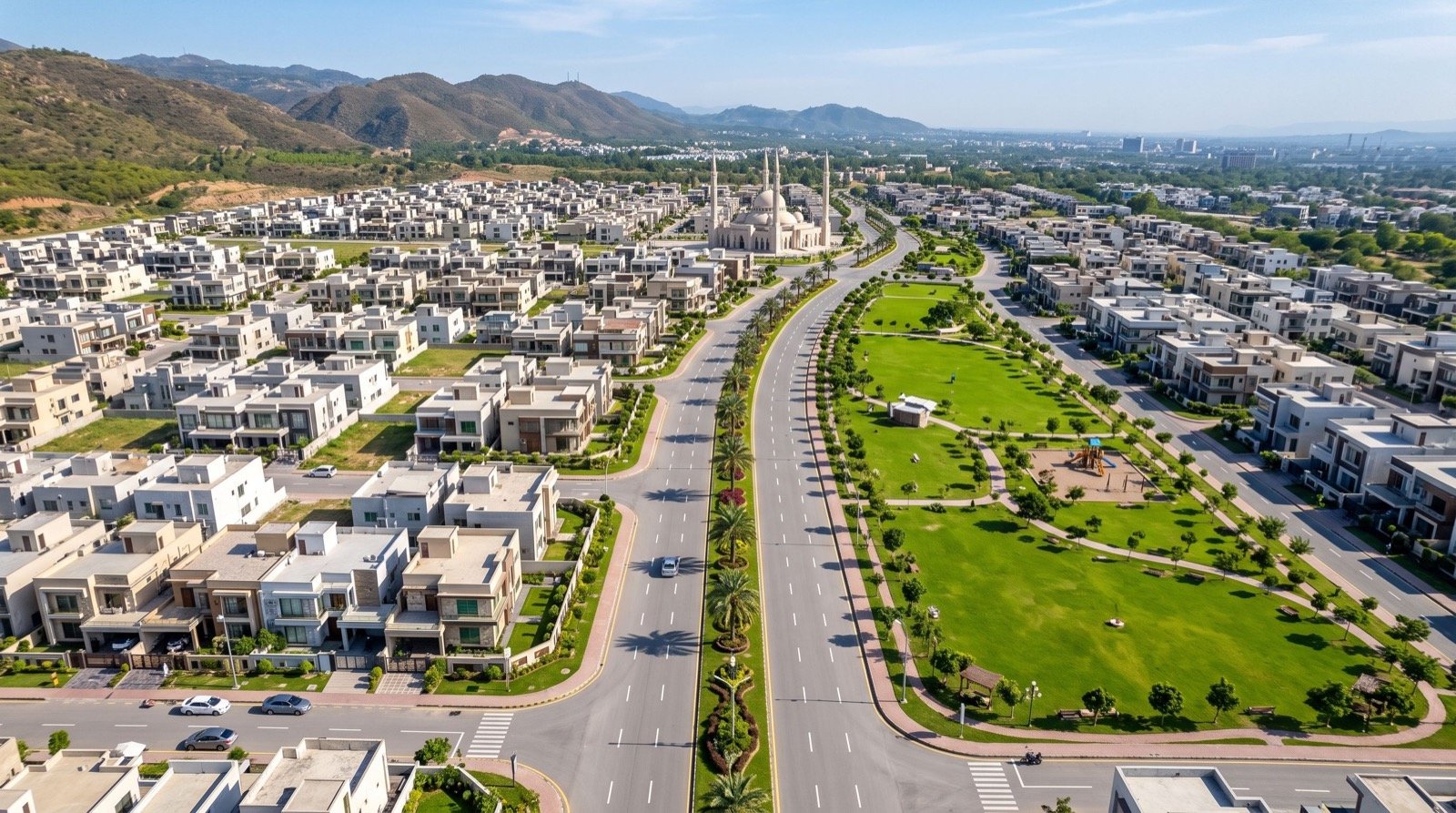
Among the options currently drawing attention in the Rawalpindi corridor are the Commercial Plots in Rawalpindi offered within Silver City, which sit along planned main-boulevard frontage rather than tucked into interior blocks.
How Do Commercial Plots Compare to High-Rise Investment Units?
This question comes up constantly from investors weighing a plain commercial plot against a high-rise unit in the same general area. Both can work, but they suit different goals and different amounts of patience.
A plain commercial plot gives you control: you decide when to build, what to build, and how to lease it. A high-rise plot or unit usually comes with shared infrastructure and sometimes a faster path to rental income once the structure is complete. For buyers who want flexibility and are comfortable managing construction themselves, options like the 6 Kanal High Rise Plots represent a middle ground between raw land and a finished commercial unit.
Commercial Plot vs. Ready Shop: A Side-by-Side Look
| Factor | Commercial Plot (build yourself) | Ready-Built Shop/Unit |
|---|---|---|
| Upfront cost | Lower per marla | Higher, construction included |
| Time to rental income | Longer, depends on build timeline | Shorter, often move-in ready |
| Design control | Full control over layout and use | Limited to existing structure |
| Risk | Construction and contractor risk | Pricing and resale-liquidity risk |
Investors with construction experience or a trusted contractor relationship generally extract better long-term value from raw commercial plots, since they avoid paying a developer’s markup on the finished build.
Financing a Commercial Plot Purchase
Commercial financing in Pakistan behaves differently from home financing, and rates move with broader monetary policy. Before locking in an installment plan, it is worth reviewing the latest policy rate announcements from the State Bank of Pakistan, since commercial lending terms typically track these decisions closely and affect how much a buyer can comfortably commit per quarter.
On the tax side, commercial property transfers often attract a different withholding rate than residential ones. Checking current rates on the Federal Board of Revenue portal before transfer day prevents an unpleasant recalculation at the registrar’s office.
Working With the Right Advisors
Commercial real estate decisions benefit from outside opinions, particularly on zoning interpretation and lease structuring. When it comes time to market a built-out commercial unit for lease or resale, working with reputable service experts who understand commercial positioning tends to shorten vacancy periods significantly compared to a generic listing.
A good advisor will also flag red flags buyers often miss on their own, such as a plot that technically fronts a service road rather than the main boulevard, which can quietly cut footfall in half.
Common Mistakes First-Time Commercial Buyers Make
Even experienced residential investors stumble on their first commercial purchase, usually because they carry over assumptions that do not translate.
- Ignoring traffic flow direction: a plot on the wrong side of a one-way boulevard can see dramatically less walk-in traffic than one directly across the road.
- Underestimating utility load: shops and small offices often need higher electricity load than a typical home, and retrofitting this later is expensive.
- Skipping a market survey: buyers sometimes assume demand without checking whether the surrounding sector already has enough of the same business type.
- Overpaying for “guaranteed rent” promises: any developer guaranteeing fixed rental returns for years should be able to show the funding source for that guarantee in writing.
- Forgetting exit costs: transfer fees, agent commission, and capital gains tax all eat into profit, and few buyers model this before purchase.
Avoiding even two or three of these mistakes typically protects more capital than chasing the lowest advertised price in the first place.
Reading the Master Plan Before You Commit
Every approved housing society publishes, or should be able to provide on request, a master plan showing which blocks are zoned residential, commercial, or reserved for amenities such as parks, schools, and mosques. Buyers frequently skip this step and rely entirely on a site map handed over by a sales agent, which is not the same document and can be misleading about proximity to commercial zones.
Request the officially stamped master plan, not a marketing render, and confirm the specific block and plot number against it before any payment leaves your account. This single habit resolves a large share of the disputes that end up in civil court years after purchase.
Frequently Asked Questions
What is the minimum size for a commercial plot in Rawalpindi?
Minimum sizes vary by society and zoning category, ranging from small corner shops of a few marla up to multi-kanal commercial blocks intended for plazas or markets.
Can a commercial plot be converted to residential use later?
Generally no, not without formal re-zoning approval from the relevant development authority, which is rarely granted once a sector’s master plan has been finalized.
How long does it take to see rental income from a commercial plot?
If buying raw land, expect twelve to twenty-four months including construction before the first lease begins, depending on build complexity and permit timelines.
Are commercial plots riskier than residential ones?
They carry different risks rather than strictly more risk: lower liquidity if resale is needed quickly, but typically stronger rental yield once tenanted and stabilized.
Final Word on Commercial Plots in Rawalpindi
Commercial plots in Rawalpindi reward buyers who do the homework on zoning, road frontage, and footfall before signing anything. Options with genuine main-boulevard positioning and a documented payment structure tend to outperform quietly marketed interior plots over a five-year horizon. Compare at least two or three societies, confirm zoning in writing, and talk to an advisor before committing capital to your first commercial plot purchase in 2026.