Drive Thru Systems in 2026: The Complete Speed-of-Service Guide
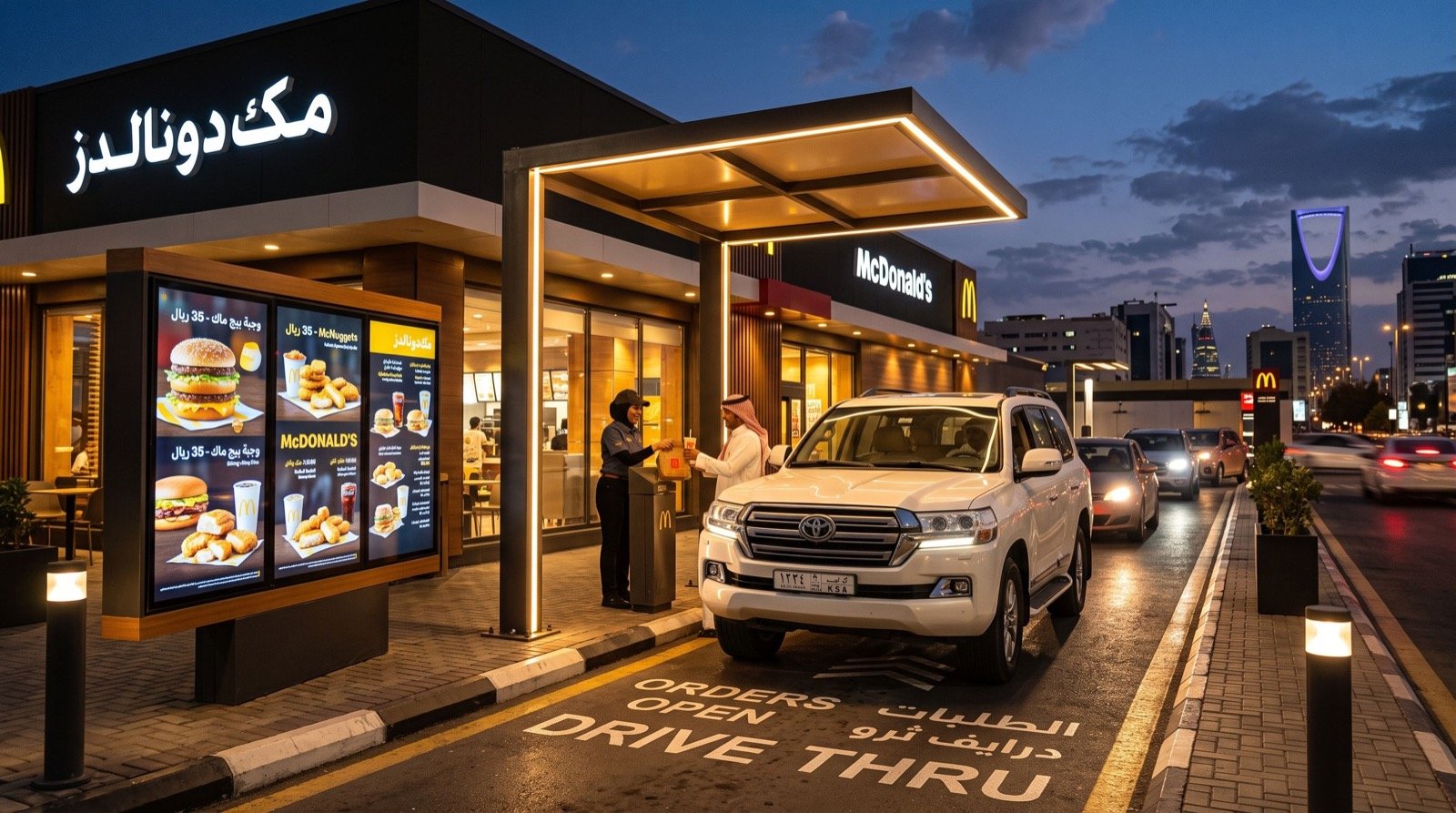
Modern drive thru systems have turned the humble pickup window into the most profitable lane a restaurant owns. Across Saudi Arabia and the wider Gulf, quick-service brands, pharmacies, and coffee chains now compete on seconds, not just menus. When a car spends less time waiting and more time ordering, revenue climbs and customers return.
This guide breaks down how these systems work end to end, from the outdoor speaker post to the kitchen display, and what to prioritize when upgrading in 2026. Whether you manage one location or a growing franchise, the principles of a fast, accurate lane stay the same.
Anatomy of a Modern Drive Thru
A drive thru is really a chain of small technologies working in sync. Break any link and the whole lane slows, so understanding each part helps you spend wisely.
- Menu boards: digital displays that update pricing and promotions instantly.
- Audio system: noise-canceling headsets and clear outdoor speakers for order taking.
- Timers: sensors that measure each stage of the visit to expose bottlenecks.
- POS integration: orders flow straight to kitchen and payment screens.
- Kitchen display: tickets appear digitally, cutting paper and errors.
How Do Drive Thru Systems Improve Speed of Service?
Speed of service is the metric operators live and die by, and good hardware attacks it from several angles at once. The magic is in shaving seconds from every stage, then repeating that across thousands of cars a month.
Timers reveal exactly where cars stall, whether at the speaker or the pickup window. Clear audio reduces re-confirmations, and digital menu boards let hungry customers decide faster. For multi-lane sites, advanced Drive Thru Systems route cars intelligently so no single window becomes a chokepoint during peak rush.
The role of clear communication
Nothing frustrates a driver like repeating an order three times. High-quality intercoms and, increasingly, dedicated IP handsets at the window keep conversations crisp even in traffic noise.
Comparing Drive Thru Configurations
Not every location needs the same setup. The table below matches common formats to the businesses that benefit most.
| Configuration | Best For | Main Benefit | Complexity |
|---|---|---|---|
| Single lane | Small cafés, pharmacies | Low cost, simple flow | Low |
| Tandem (dual point) | Busy QSR outlets | Two order points, one window | Medium |
| Side-by-side lanes | High-volume brands | Doubles order intake | High |
| Mobile-order pickup | App-driven chains | Skips ordering step entirely | Medium |
Most single stores thrive with a well-tuned single lane, while franchises pushing hundreds of cars an hour justify tandem or side-by-side layouts. Mobile-order pickup lanes are the fastest-growing format as app adoption rises across the Gulf.
Integrating Voice and In-Store Service
The drive thru rarely operates alone. It shares staff, kitchen capacity, and phone lines with the counter inside, so integration pays off.
Many operators now connect the lane’s communication gear to their wider office telephony. Rugged Fanvil IP Phones in Saudi Arabia serve well at the pickup window and manager’s office alike, giving one consistent platform for calls, transfers, and intercom. Unifying hardware simplifies support contracts and spare-parts management.
Keeping the lane reliable
Downtime during lunch rush is expensive, so preventive maintenance is non-negotiable. Teams that keep spare headsets, test speakers weekly, and monitor timer data avoid most emergencies. For installation and upkeep, many businesses lean on quality service providers who understand both the electronics and the civil work around the lane.
Practical Tips to Cut Wait Times
Technology helps, but process discipline turns a decent lane into a great one. These field-tested tips deliver quick wins.
- Pre-brief staff before known rush periods so stations are fully manned.
- Position the most-ordered items for fastest assembly.
- Use pull-forward parking for complex orders to keep the window flowing.
- Review timer reports weekly and coach on the slowest stage.
- Keep menu boards uncluttered so decisions happen faster.
The U.S. Occupational Safety and Health Administration also reminds operators that lane layouts must protect staff who work near moving vehicles; its guidance on work-zone traffic safety is a useful reference when designing outdoor stations.
Staffing the Lane for Peak Performance
Even the best hardware underperforms with a poorly staffed lane. Peak-hour throughput depends as much on people as on speakers and timers, so smart operators plan crews around traffic data.
Timer reports show exactly when the lunch and dinner surges hit, letting managers schedule extra hands only when they pay for themselves. During the busiest windows, a dedicated order-taker separate from the cashier keeps the conversation flowing while payment and handoff happen in parallel.
- Assign a runner during rushes to expedite drinks and sides.
- Cross-train staff so any station can be covered instantly.
- Rotate roles to prevent fatigue at the headset.
- Post live timer numbers so the team sees its own pace.
Franchises that treat the drive thru as a coached, measured discipline consistently beat those that leave it to chance. The technology sets the ceiling, but trained people decide how close you get to it.
What to Look for in a 2026 Upgrade
If your current lane predates the pandemic, an upgrade almost always pays for itself. Prioritize features that measurably move speed and accuracy rather than flashy extras.
- Digital menu boards with day-part scheduling.
- Integrated timers feeding a live manager dashboard.
- Noise-canceling audio rated for outdoor use.
- POS and kitchen-display integration to eliminate re-keying.
Frequently Asked Questions
How much can a drive thru system boost revenue?
By shaving even 20 to 30 seconds off average service time, high-volume outlets can serve dozens more cars per hour during peaks, which compounds into meaningful monthly revenue gains.
Do drive thru systems work for pharmacies and banks?
Yes. Any business that serves customers in vehicles benefits, from prescription pickup to banking. The core audio, timer, and integration hardware adapts easily to each use case.
Can I add mobile ordering to an existing lane?
Usually yes. A dedicated pickup point or app integration layers onto most modern setups without rebuilding the whole lane.
How often should drive thru equipment be serviced?
A quarterly professional check plus weekly staff tests of speakers and headsets keeps reliability high and prevents costly rush-hour failures.
Conclusion
Investing in modern drive thru systems is one of the surest ways to raise throughput, accuracy, and customer loyalty in 2026. Focus on clear audio, honest timer data, and tight POS integration, then reinforce the technology with disciplined process. Ready to turn your lane into a revenue engine? Talk to an experienced integrator and upgrade your drive thru today.